

Group website:
Other company websites:
Choose website














The Case for Weapons Detection in Schools


12 February 2026
The Case for Weapons Detection in Schools
The Case for Weapons Detection in Schools explains how modern weapons detection can help schools identify threats early, deter violence, and improve safety without creating a restrictive or intrusive environment. When used as part of a layered security approach, these systems support efficiency, privacy, and peace of mind for students, staff, and families.
The Case for Weapons Detection in Schools
Student and staff safety has now become a major concern and priority for modern education. Administrators, parents, and communities are all grappling with the same question: how do we protect students and staff while still preserving a welcoming, supportive learning environment? While no single solution can eliminate all risk, weapons detection technology has emerged as a practical and increasingly necessary layer in a comprehensive school safety strategy. Modern weapons detection technology offers a way for schools to proactively identify potential threats before harm occurs, without turning campuses into high-security facilities. When implemented thoughtfully, these systems can enhance safety while maintaining trust, dignity, and normal daily operations.
What Is Weapons Detection?
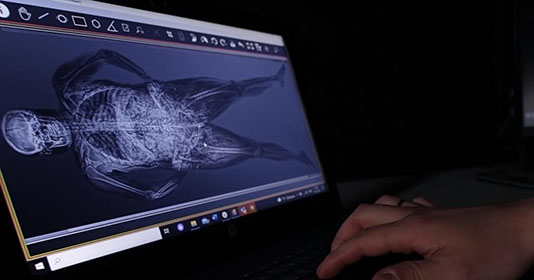
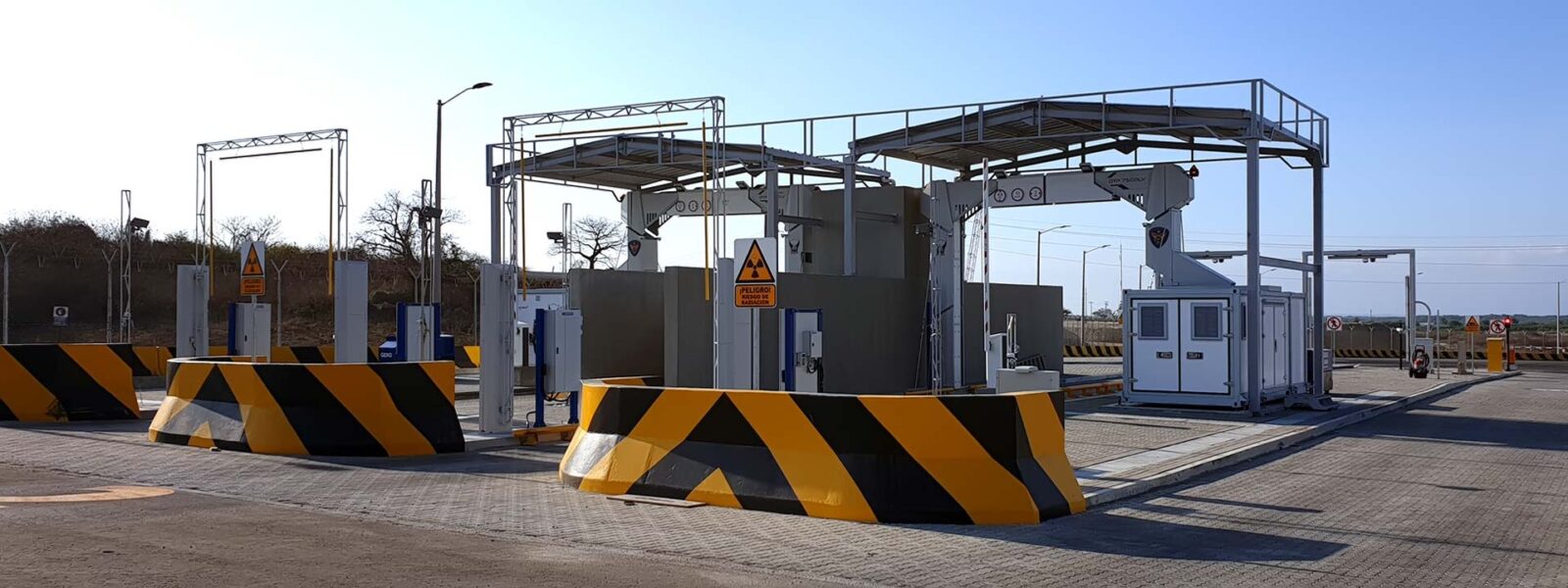
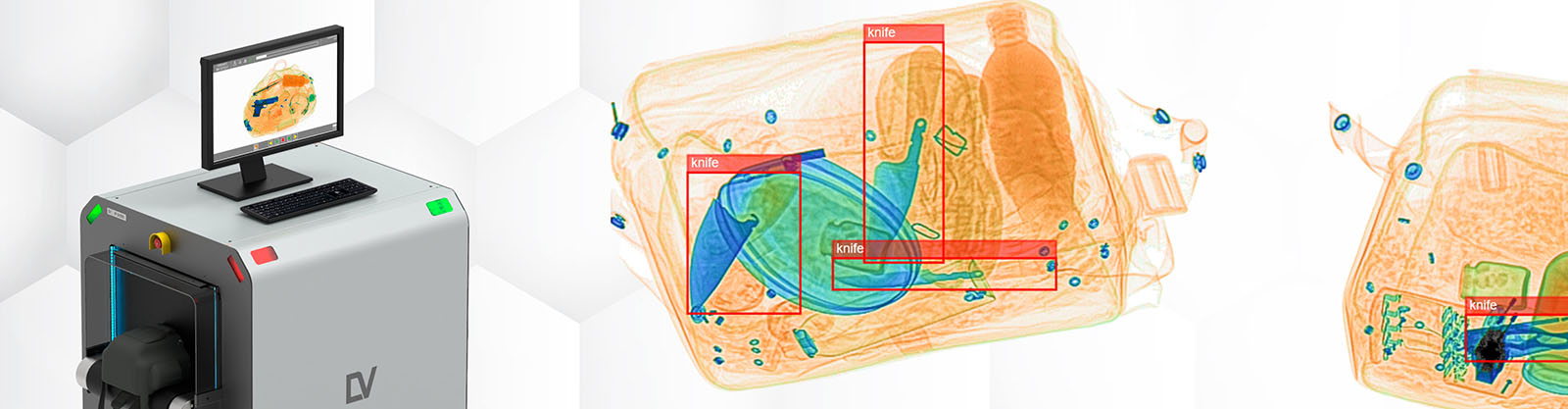
Weapons detection refers to technology designed to identify firearms and other weapons as individuals enter a building or secured area. This could include anything from metal detector towers and hand wands to AI-powered backpack scanners and security cameras. In a school setting, weapons detection systems are typically placed at main entry points and integrated into existing security protocols. When a potential threat is identified, designated staff are discreetly alerted so they can follow established procedures. The goal is early detection and prevention, addressing risks before they escalate into emergencies.
Common Concerns for Weapons Detection Implementation in Schools
Despite growing interest in modern security technology, schools often hesitate to adopt weapons detection due to several common concerns.| Environment One of the most frequent worries is the fear of creating a “prison-like” atmosphere. Educators and parents alike are understandably cautious about measures that might make students feel criminalized or unsafe in their own schools. However, modern weapons detection systems are designed to be unobtrusive and efficient, helping preserve a normal school experience while still improving security. And for certain products, customizable appearance options are available to make systems seem less intimidating by displaying compelling graphics and school logos. |
| Cost School budgets are already stretched thin, and administrators must weigh safety investments against other pressing needs. While weapons detection does require upfront investment, many schools find that newer systems reduce staffing demands compared to traditional security checkpoints and can be scaled to fit different budgets. |
| Privacy & Rights There are also concerns surrounding privacy and student rights. Schools must ensure that any security technology aligns with legal standards and community expectations. Today’s weapons detection solutions are focused on identifying objects, not collecting personal data, making them far less invasive than many people assume. |
| Efficacy Some question whether weapons detection is truly effective. Like any safety tool, it is not a standalone solution. Weapons detection works best as part of a layered approach that includes access control, staff training, mental health resources, and clear response protocols. |

Why Schools Should Invest in Weapons Detection
The primary argument for weapons detection is simple: early detection saves lives. Identifying a weapon before it enters a classroom or common area dramatically reduces the likelihood of a violent incident and gives staff the opportunity to intervene safely. Beyond its life-saving role in early intervention, weapons detection delivers additional benefits that strengthen overall school safety.| Deterrence Weapons detection also acts as a powerful deterrent. When students and visitors know a school has screening in place, the likelihood of someone attempting to bring a weapon onto campus decreases. This preventative effect alone can significantly lower risk. |
| Efficiency From an operational standpoint, modern weapons detection allows schools to maintain efficiency. Students can enter buildings quickly without long lines or daily disruptions, which is especially important during peak arrival times or large events. This balance of security and convenience makes the technology far more viable for everyday school use. |
| Privacy Unlike some security measures, such as clear bag policies that can unintentionally expose personal items, modern weapons detection allows students and visitors to move through screening without revealing sensitive belongings. This is especially important for items like feminine hygiene products or digestive aids, which can cause unnecessary embarrassment and discourage compliance. By reducing intrusive visibility, weapons detection preserves dignity while maintaining safety. |
| Peace of Mind Equally important is the sense of reassurance it provides. Parents want to know their children are protected. Teachers want to focus on teaching, not personal safety. Students want to feel secure at school. Weapons detection sends a clear message that safety is a priority and that proactive steps are being taken to protect the school community. |
| Non-Discriminatory Screening Weapons detection also supports fair and unbiased security practices. These systems screen for potential threats rather than people, applying the same standard to every individual who enters the building. This reduces the risk of subjective enforcement, profiling, or selective screening, helping schools create a safer environment that is consistent, equitable, and respectful of all students and visitors. |
| Proactive Leadership Investing in weapons detection demonstrates leadership and preparedness. Schools that take a forward-looking approach to safety are better positioned to respond to evolving risks and to meet growing expectations from families, staff, and governing bodies. |

Conclusion
There is no single solution to school safety, but inaction is no longer an option. Weapons detection offers schools a proactive, effective way to identify threats, deter violence, and protect students and staff without sacrificing the openness that makes schools places of learning and growth. When thoughtfully implemented as part of a layered safety strategy, weapons detection is not about fear or punishment. It is about prevention, preparedness, and peace of mind. For schools committed to creating safer learning environments, the case for weapons detection is clear.
Manage Consent
Functional Always active
The technical storage or access is strictly necessary for the legitimate purpose of enabling the use of a specific service explicitly requested by the subscriber or user, or for the sole purpose of carrying out the transmission of a communication over an electronic communications network.
Preferences
The technical storage or access is necessary for the legitimate purpose of storing preferences that are not requested by the subscriber or user.
Statistics
The technical storage or access that is used exclusively for statistical purposes. The technical storage or access that is used exclusively for anonymous statistical purposes. Without a subpoena, voluntary compliance on the part of your Internet Service Provider, or additional records from a third party, information stored or retrieved for this purpose alone cannot usually be used to identify you.
Marketing
The technical storage or access is required to create user profiles to send advertising, or to track the user on a website or across several websites for similar marketing purposes.