

Group website:
Other company websites:
Choose website









Securing Campus Service Entrances with X-Ray Screening Technology


30 August 2026
Securing Campus Service Entrances with X-Ray Screening Technology
University security is often strongest at the main entrance, while staff doors, service corridors, loading docks and contractor access points remain less protected. X-ray security solutions for universities help U.S. campuses close these gaps with fast, respectful and practical screening for bags, parcels, equipment and personnel.
X-ray security solutions for universities are becoming increasingly important for U.S. campuses that need to protect more than the front lobby. Many institutions have invested in visitor management, student ID systems, access badges and screening at main entrances. These measures are valuable, but they do not cover the full campus access environment. Staff doors, loading docks, service corridors, maintenance entrances and delivery routes can remain less protected even though they are used every day by employees, contractors, suppliers and support teams. This creates a practical security gap. A university may appear well protected at its most visible entrance, while secondary access points continue to rely on trust, routine and limited supervision. For facilities managers and campus security teams, the question is no longer whether these areas matter. The real question is how to secure them without slowing down daily operations or creating unnecessary friction for staff and service providers. Modern X-ray security solutions for universities are designed to address this challenge. They help campuses screen bags, parcels, toolkits, equipment cases and personnel at the access points that are often overlooked in traditional security planning.
Why Secondary Campus Entrances Need More Attention
A university campus is not a single building with one controlled door. It is usually a network of academic buildings, residence halls, laboratories, sports facilities, libraries, administrative offices, dining areas, service zones and maintenance spaces. Each of these areas may have its own access patterns and operational requirements. The main entrance is often the easiest place to justify security investment because it is visible to students, parents, visitors and administrators. Secondary entrances are different. They may look routine because they are used by familiar people performing everyday tasks. A catering delivery, a maintenance contractor or a facilities employee entering through a side door may not appear to represent a significant risk. However, from a security perspective, any entrance that allows bags, boxes, tools or equipment onto campus without screening can become a vulnerability. Staff and service entrances often create risk for several reasons:- They are predictable and can be studied in advance.
- They may not be staffed consistently during off-peak hours.
- They are frequently used by contractors, vendors, maintenance crews and delivery personnel.
- Bags, parcels, toolboxes and equipment cases may enter without item-level screening.
The Risk of Relying on Trust Alone
Universities naturally operate with a high level of trust. Staff members are known, departments work closely with long-term vendors, and many contractors return to campus regularly. That trust is necessary for campus life to function. It should not, however, replace a clear screening process. A staff entrance is rarely used by staff only. It may also be used by temporary workers, outside technicians, delivery drivers, food service teams, event contractors and cleaning crews. The group of people entering through these doors can change from day to day. In many cases, campus security teams may know that someone is authorized to enter, but they may not know what is inside the bag, box or equipment case being carried in. This is where X-ray security solutions for universities become practical rather than theoretical. The goal is not to treat staff or contractors as suspects. The goal is to apply a consistent standard to the items and access points that could otherwise bypass the more visible security measures at the front of the campus. When main entrances are hardened, a determined individual may look for a less controlled route. Secondary doors, service docks and maintenance access points can become the path of least resistance. Closing that gap helps create a more balanced campus security posture.How X-Ray Screening Fits into Daily Campus Operations
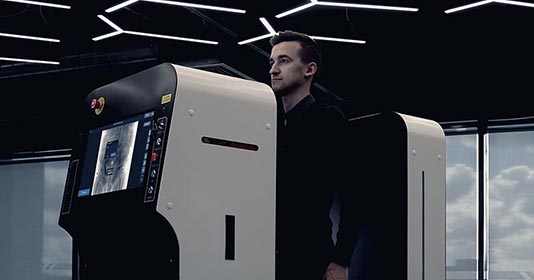
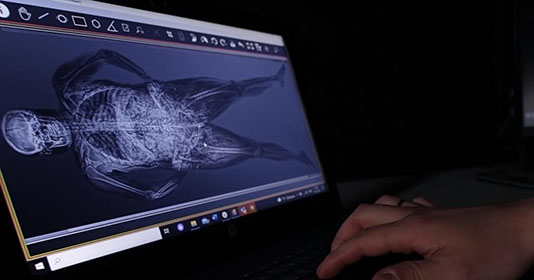
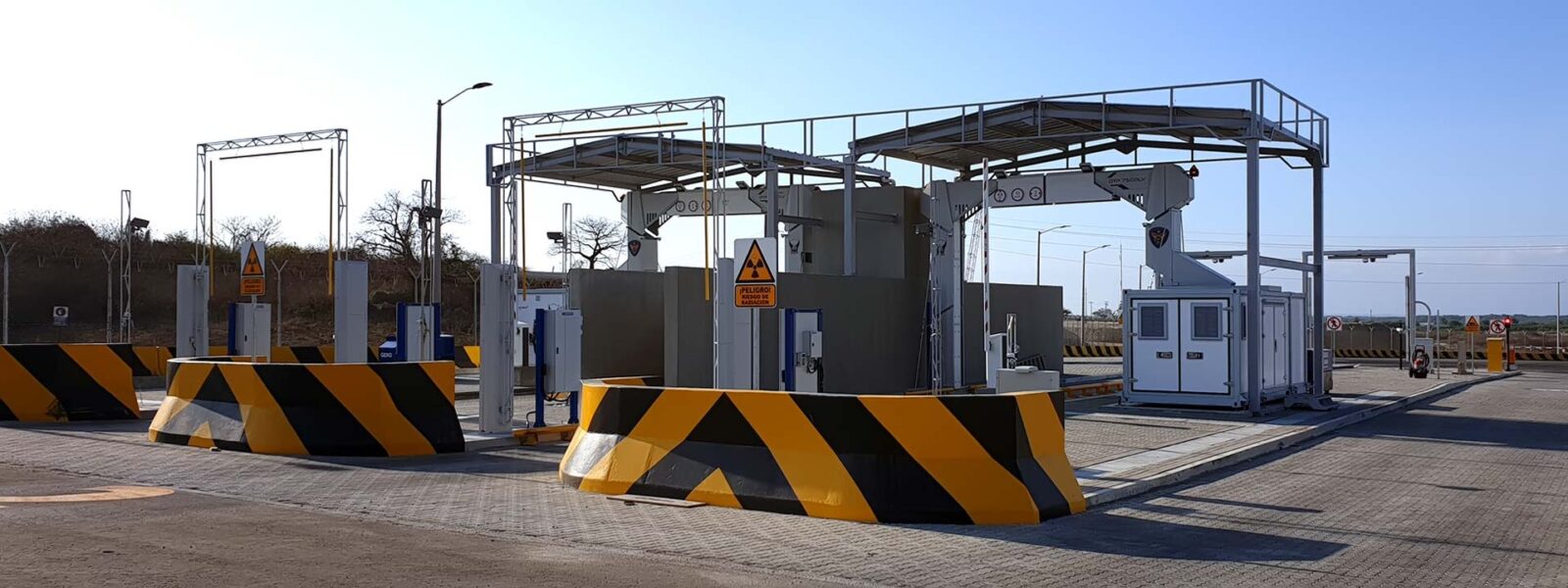
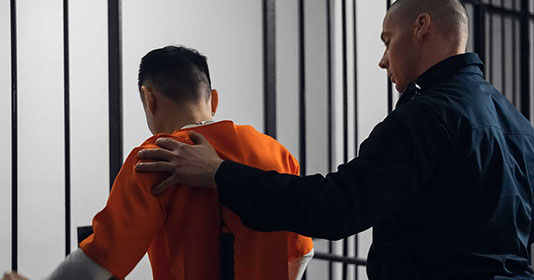
One reason universities hesitate to screen staff and service entrances is the concern that it will be slow or disruptive. That concern is understandable, but modern screening technology has changed the operational picture. Compact parcel and bag screening systems can be placed in service areas, security desks, corridors or loading zones without requiring a complete redesign of the building. These systems can screen delivery parcels, backpacks, toolkits, equipment cases and other carried items quickly enough to fit into normal campus movement. For loading docks and service entrances, this means screening can be added to the existing flow rather than treated as a separate process that stops all movement. Low-dose full body scanners can also support personnel screening where the risk profile requires it. They provide a fast and respectful way to detect prohibited items hidden under clothing or within body cavities, while reducing dependence on intrusive physical searches. For universities, this matters because security measures must be effective without damaging the trust and dignity expected in an academic environment. The best approach does not require every entrance to be treated the same from day one. Many campuses can begin with the access points that carry the highest operational risk.- Start with loading docks and contractor entrances where bags, parcels and equipment cases are most common.
- Review staff-only side entrances that currently rely mainly on badge readers.
- Connect screening activity with access management where possible to improve visibility across campus entry points.
AI-Assisted Detection and the Operator Workflow
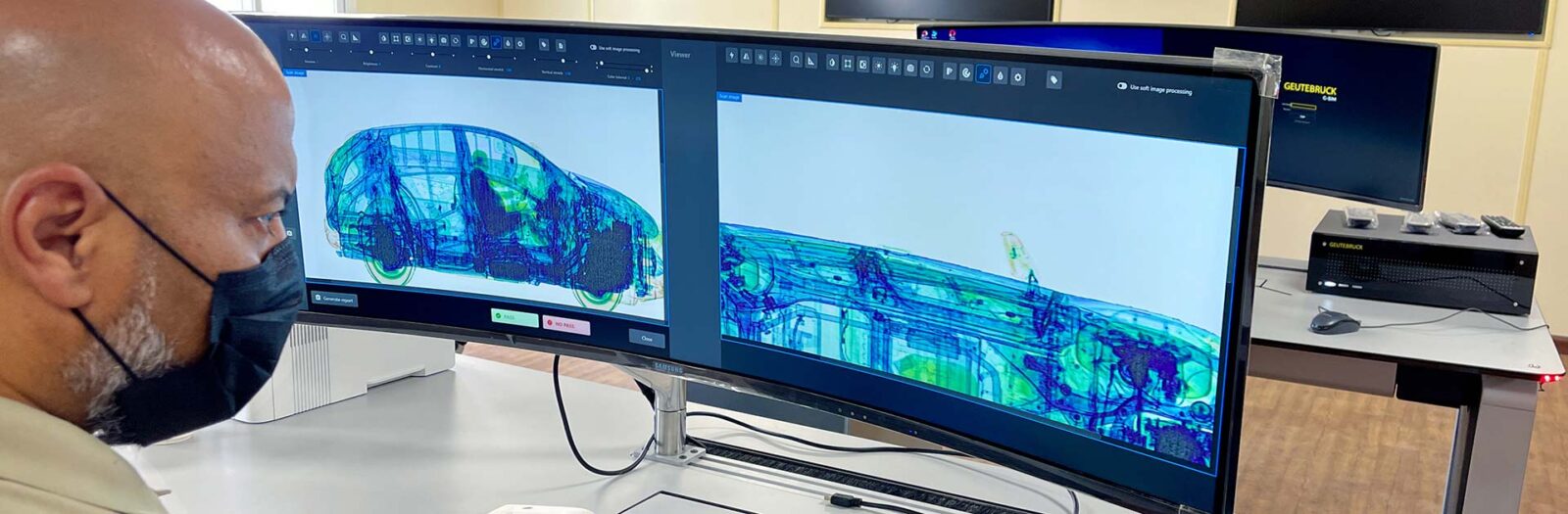
The wider adoption of X-ray security solutions for universities has been supported by advances in AI-assisted detection. Traditional X-ray screening depended heavily on experienced operators reviewing every image in detail. For a large campus with many secondary access points, that level of staffing could be difficult to sustain. AI-powered detection helps change the workflow. Modern systems can highlight weapons, restricted items and suspicious objects in scanned images, helping the operator focus on areas that need attention. The operator still remains responsible for assessment and response, but the technology helps reduce routine image review and improves consistency across long shifts. This matters for campus environments because staffing levels and activity patterns can change throughout the day. A loading dock may be quiet in the morning and busy before an event. A service entrance may see more contractor traffic during construction, maintenance or seasonal work. AI-assisted screening helps provide a more consistent baseline even when traffic volumes change. For U.S. universities, this is a practical staffing advantage. A smaller security team can oversee more access points because the system helps prioritize scans that require human attention. Instead of watching every routine image with the same level of intensity, operators can respond to flagged areas and make decisions based on clearer visual evidence.Building a More Complete Campus Security Perimeter
Campus security is only as strong as the access points that remain unscreened. Investing in main entrances while leaving staff doors, delivery routes and loading areas largely unchecked can create a false sense of protection. A stronger strategy looks at the full campus perimeter and applies the right level of screening to each access point. X-ray security solutions for universities help facilities managers close this gap without turning the campus into an airport-style checkpoint. They support practical screening of the people and items entering through the less visible parts of the estate, including service corridors, staff entrances, contractor access points and loading docks. For U.S. campuses, the priority is balance. Security must be stronger, but it must also be reasonable, respectful and operationally manageable. With compact parcel screening, low-dose personnel screening and AI-assisted detection, universities can improve protection where it is most needed while keeping daily campus movement efficient.
Manage Consent
Functional Always active
The technical storage or access is strictly necessary for the legitimate purpose of enabling the use of a specific service explicitly requested by the subscriber or user, or for the sole purpose of carrying out the transmission of a communication over an electronic communications network.
Preferences
The technical storage or access is necessary for the legitimate purpose of storing preferences that are not requested by the subscriber or user.
Statistics
The technical storage or access that is used exclusively for statistical purposes. The technical storage or access that is used exclusively for anonymous statistical purposes. Without a subpoena, voluntary compliance on the part of your Internet Service Provider, or additional records from a third party, information stored or retrieved for this purpose alone cannot usually be used to identify you.
Marketing
The technical storage or access is required to create user profiles to send advertising, or to track the user on a website or across several websites for similar marketing purposes.